Money Matters
Looking Like You Have It Together Is Expensive
Presentation was never proof of anything except presentation — and it isn't free.
By: Brandi Murphy | Published: July 7, 2026
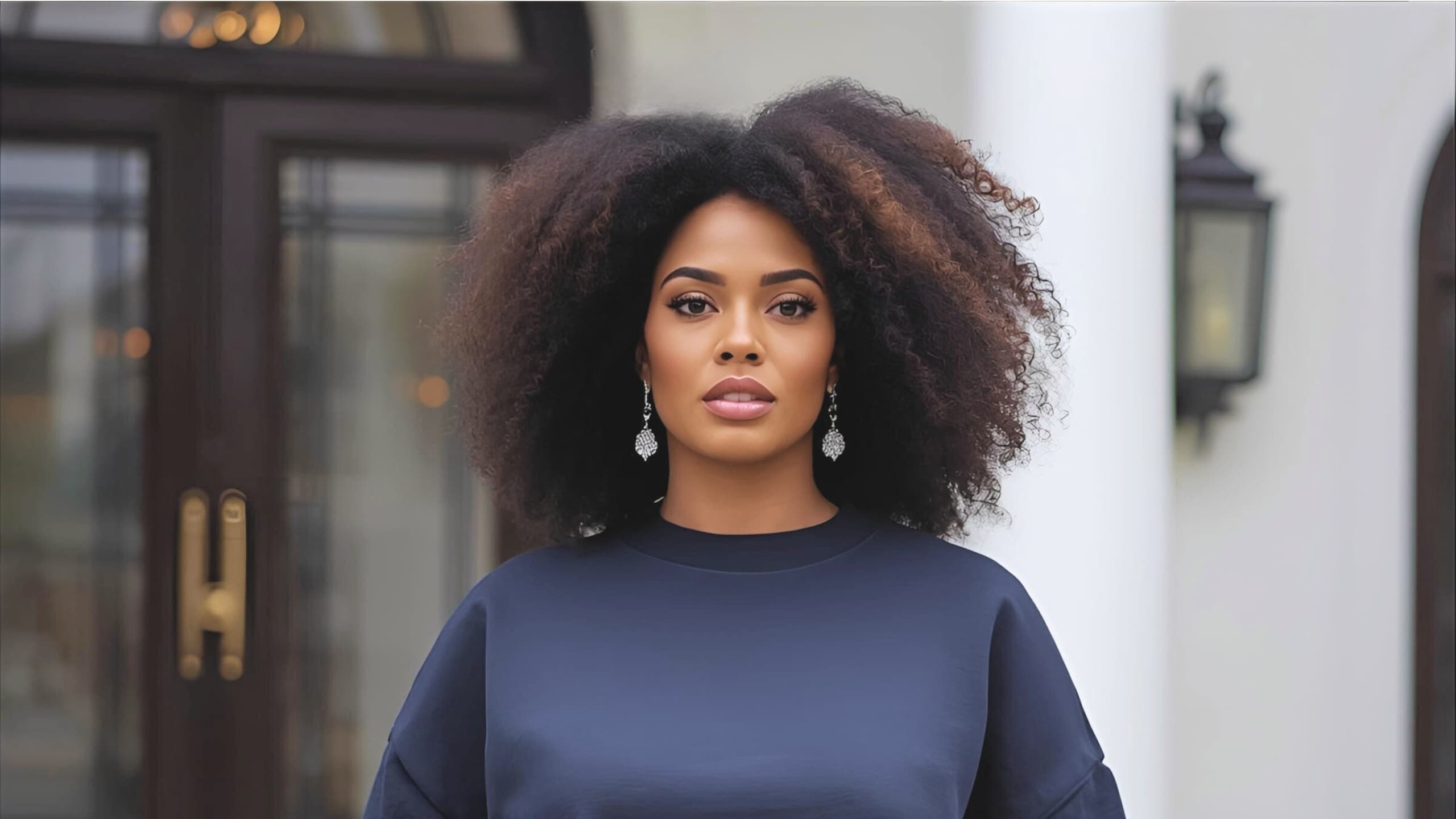
Everyone assumes she's fine, because she looks fine. She shows up impeccably poised, responsive, emotionally measured. That's a skill, and like most skills, it costs something to maintain.
This is about the expectation, rarely spoken aloud, that a grown woman should carry pressure beautifully — and about how good she's gotten at it, so good that almost nobody clocks what it takes.
A woman can have the home, the career, the family role, and complete emotional composure, and still be running on fumes. Those two things are not connected the way they look like they should be. Presentation is not evidence of anything except presentation.
I know this from the inside. When I was faced with a sudden and serious health challenge, I chose not to disclose it. I kept showing up to my daily life as though nothing had been upended, even though everything inside me had shifted. I didn't miss a beat. I was afraid that any visible falter would make people see me as unprepared instead of human, so I made sure nothing ever looked like it was slipping.
There's real work underneath the appearance of ease. Remembering everything. Managing everyone else's expectations. Staying calm in moments that deserve a reaction. Keeping the house, the body, the work, the finances, and the relationships handled, all at once, without letting anyone see the seams.
She has simply become too good at making difficulty look manageable, and the better she gets at it, the less anyone thinks to ask if she needs anything. What looks like ease is often exhaustion wearing very good clothes.
By this stage, most women have spent decades being rewarded for endurance, competence, restraint, emotional regulation. She knows how to recover quickly, ease a room, make a plan, stand in the gap, keep moving. What once helped her survive may now be what keeps her overextended.
The cost is not only emotional
It surfaces in specific places:
- Financially, in the spending it takes to maintain the appearance of ease, beauty, success, or readiness: the outfit that says nothing is wrong, the convenience purchases that paper over how stretched the week already was, the upgrades made to keep the story consistent even when the story is costing more than it's worth.
- Physically, in fatigue, tension, poor sleep, a body that never fully powers down.
- Relationally, in the fact that people stop checking on her, because she looks like she doesn't need it.
- Professionally, in being seen as capable enough to absorb more, simply because she's never visibly buckled under what she already has.
- Emotionally, in not knowing where to put her own needs, because everyone around her has cast her as the stable one.
That financial piece deserves its own attention, because it's easy to miss. Looking like you have it together is rarely free. It has a measurable, trackable cost, and it's one of the more invisible line items in a life that otherwise looks financially responsible.
Underneath all of it sits a specific trap: being low-maintenance. Grown women can become deeply invested in being seen as easy, composed, self-sufficient, unproblematic. It reads as a virtue. Sometimes it is one. But being low-maintenance becomes dangerous the moment it teaches the people around you that you don't need care, help, softness, or consideration, financial or otherwise. People rarely offer what they've been taught you do not need.
Sometimes what gets called grace is self-abandonment with good manners.
What changes at this stage
At some point, looking composed stops being enough. She wants to feel steady, not just appear it. She wants a life that supports her, not one that photographs well or holds together from a distance. A more useful question than how to look more capable is what her life would look like if she stopped organizing it around appearing fine.
That shift reaches beyond composure. It changes what she spends, what she accepts, and what she stops making look easy. What she is after is a life with enough support and honesty built into it that performance is no longer the thing holding everything together.
The real work is learning to stop confusing appearance with well-being, and to stop financing the difference between the two without noticing — not abandoning standards or composure.
“Looking like you have it together is not a financial plan.”
Before you go
Consider This, straight to your inbox. No noise in between.
More from Money Matters